
HVAC EQUIPMENT PROTECTION
HVAC Surge Protectors for Condensers, Air Handlers & Control Boards
Help protect HVAC equipment from damaging voltage spikes caused by lightning, utility switching, compressor transients, and other electrical surge events. Explore solutions for condensers, air handlers, thermostats, and control circuits.
Designed for residential and commercial HVAC applications.
- Helps protect control boards and HVAC electronics
- Supports residential and commercial applications
- Options for equipment-level and system-level protection
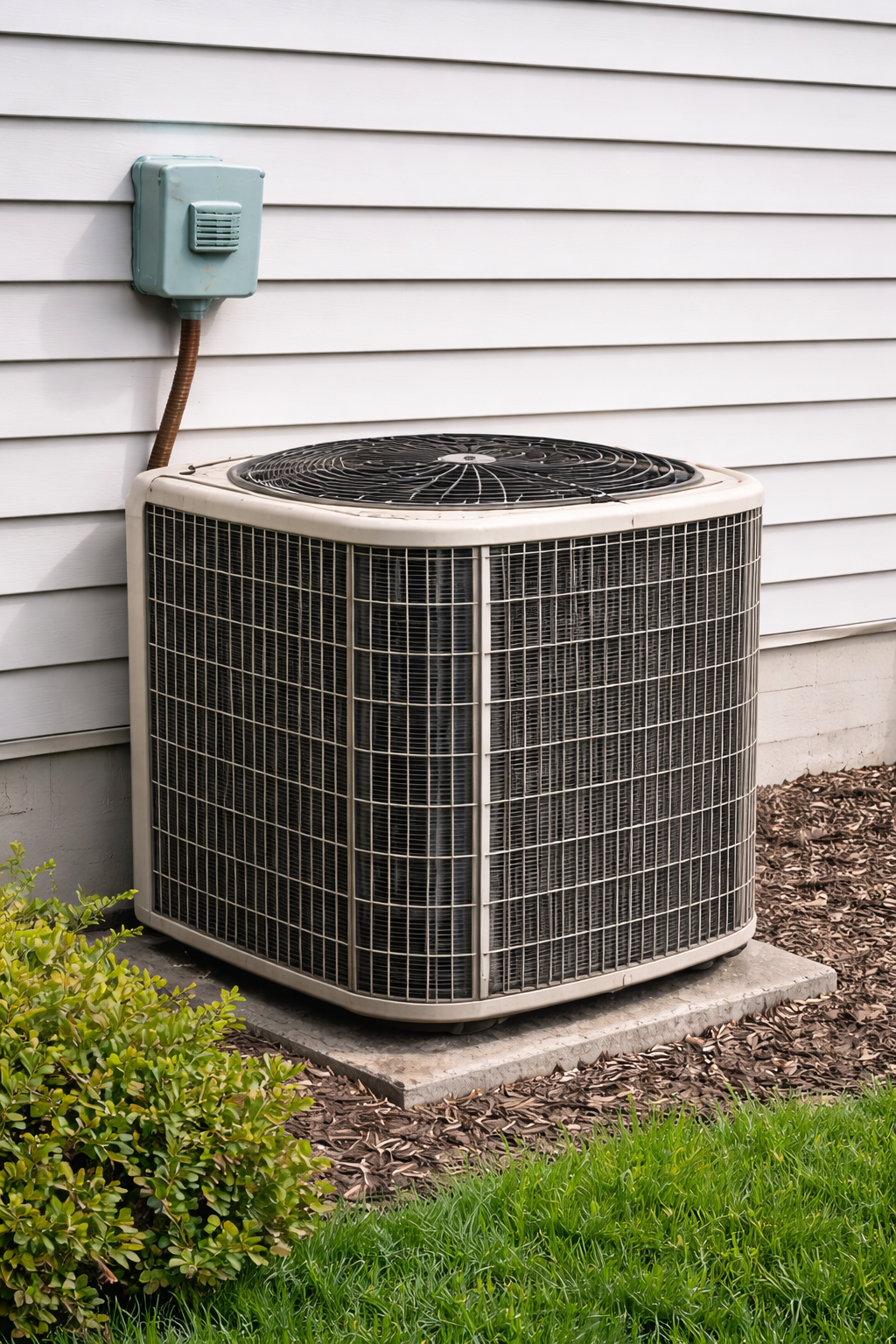
WHAT HVAC SURGE PROTECTION HELPS PROTECT
Help Protect Critical HVAC Equipment
Modern HVAC systems often include sensitive electronics, control components, and powered equipment that can be vulnerable to damaging voltage spikes. HVAC surge protection can help support more reliable operation across key system components.
Condensers
Air Handlers
Thermostats & Controls
Control Boards & Electronics
From outdoor equipment to low-voltage controls, layered surge protection can help reduce risk across the HVAC system.
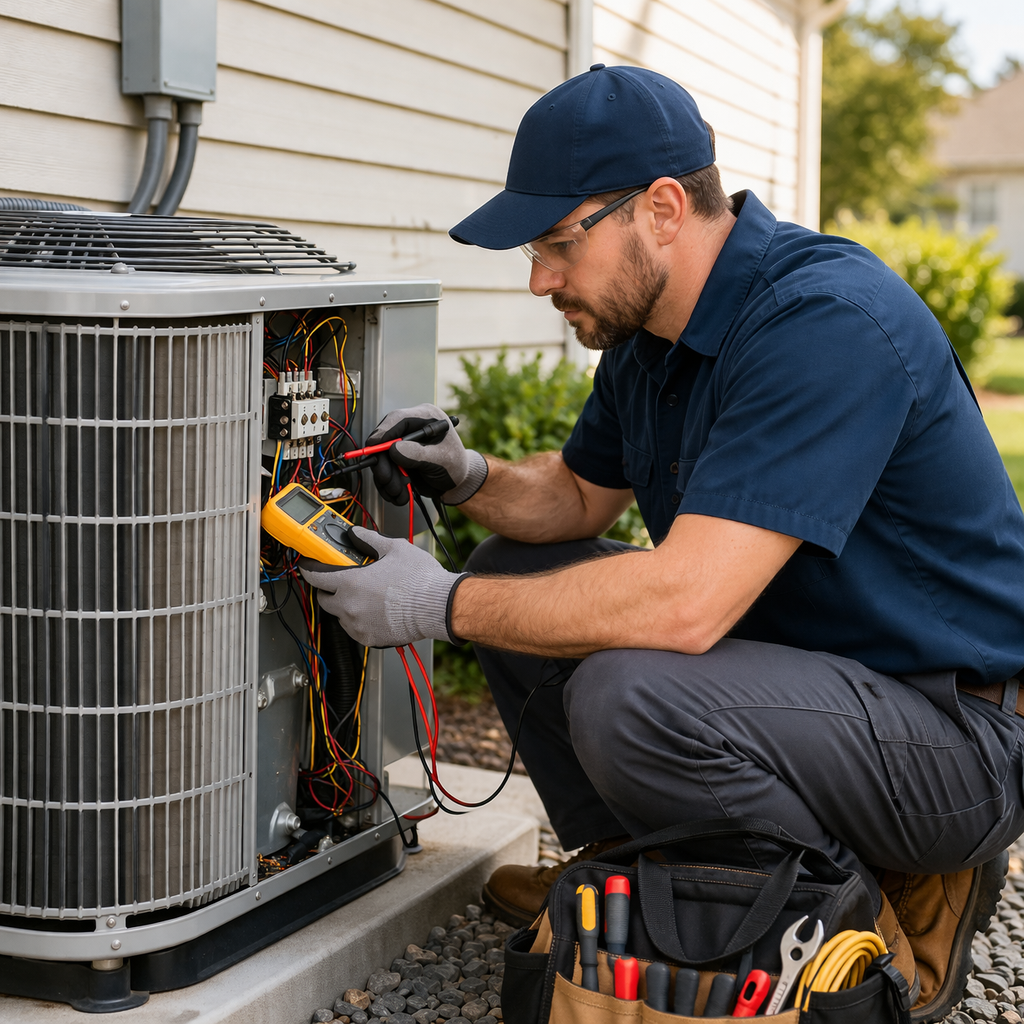
WHY HVAC SYSTEMS ARE VULNERABLE
Why HVAC Equipment Needs Surge Protection
Modern HVAC systems often combine sensitive electronics, motor-driven loads, and outdoor-installed equipment. That combination can make them more vulnerable to damaging voltage spikes from lightning, utility events, and internal switching activity.
Sensitive Electronics
Compressor & Motor Switching
Outdoor Exposure & Long Wire Runs
Layered surge protection can help reduce risk at both the electrical service and sensitive HVAC equipment levels.
CHOOSE YOUR PROTECTION TYPE
Find the Right HVAC Surge Protection for Your System
Different HVAC systems may benefit from protection at different points. Some applications call for service-panel surge protection, some need dedicated equipment-level protection, and others benefit from low-voltage control protection or a layered approach.
Whole-System Protection
Best for: Homes or buildings that want broad surge protection across the electrical system, including HVAC equipment.
Equipment-Level Protection
Best for: Specific HVAC units that need dedicated protection closer to the equipment.
Low-Voltage & Control Protection
Best for: Thermostats, 24VAC control wiring, and sensitive HVAC control electronics.
For stronger coverage, consider layered HVAC surge protection
Many systems benefit from more than one protection point—for example, whole-system surge protection at the electrical service plus dedicated protection for sensitive HVAC equipment or low-voltage controls.
HOW TO CHOOSE
How to Choose the Right HVAC Surge Protector
Start by identifying what part of the HVAC system you want to protect. Then match the surge protection approach to the system voltage, equipment location, and sensitivity of the electronics involved.
Step 1: Identify what you want to protect
Step 2: Match the protection point to the application
Step 3: Consider the system voltage and wiring type
Step 4: Think about electronics sensitivity and exposure
Step 5: Use layered protection when needed
Not sure which protection type fits your system? Start with the service voltage and equipment type, then compare whole-system, equipment-level, and low-voltage options.
SHOP HVAC SURGE PROTECTION
Explore HVAC Surge Protection Options
Browse surge protection solutions for whole-system coverage, dedicated HVAC equipment protection, and sensitive low-voltage control applications. Choose the option that best fits your installation and equipment needs.
Whole-System Protection
These products are designed to help protect the building’s electrical system and reduce surge energy reaching connected HVAC equipment and electronics.
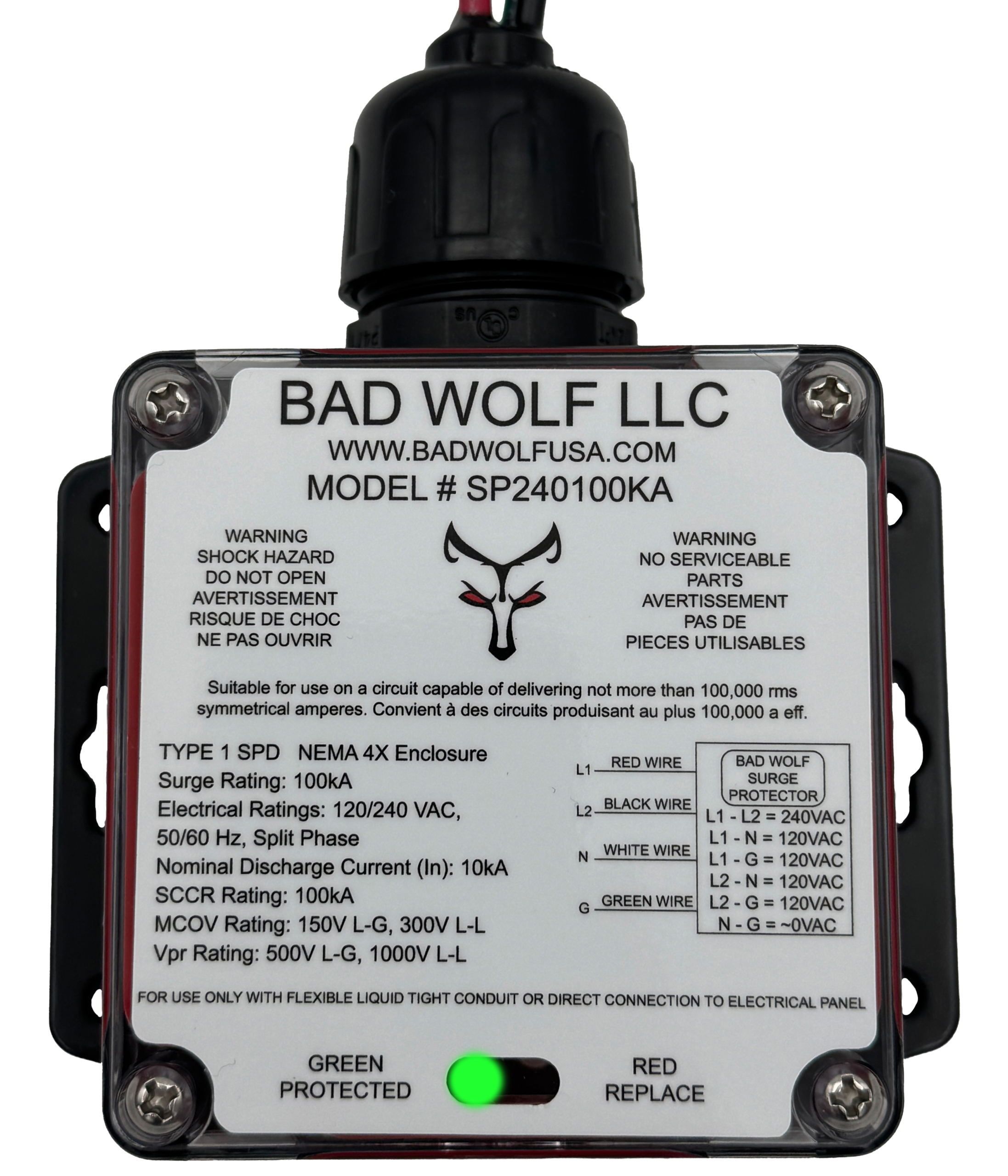
240VAC Whole Circuit Protection
100kA 4-Wire 6 Mode Type 1 Outdoor Surge Protector
Briefly describe what this product protects, where it installs, and why it fits this group.

240VAC Whole Circuit Protection
200kA 4-Wire 6 Mode Type 1 Outdoor Surge Protector
Briefly describe what this product protects, where it installs, and why it fits this group.
Equipment-Level Protection
These products are intended for dedicated protection near specific HVAC equipment such as condensers, air handlers, or related electrical components.
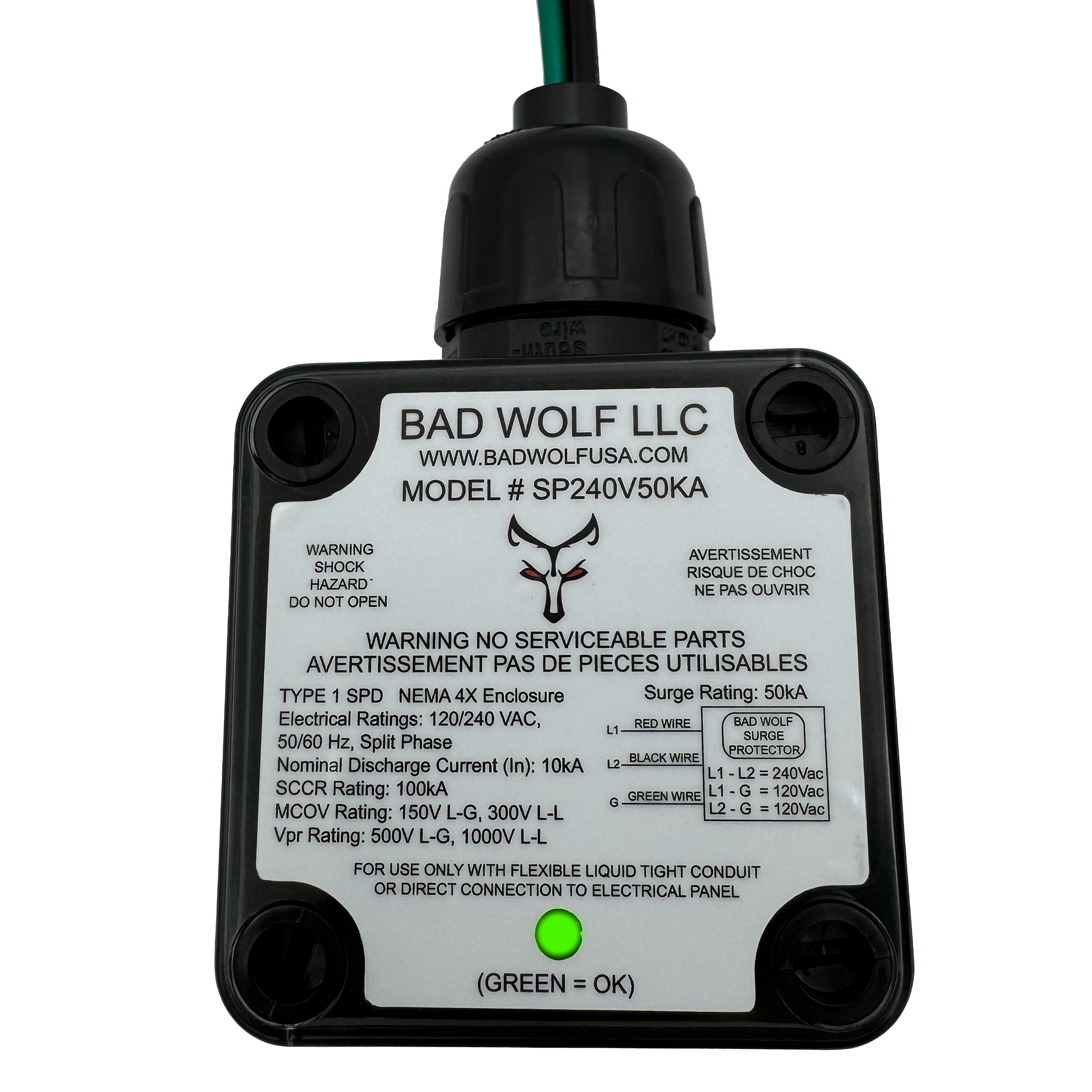
240VAC Single Circuit Protection
50kA 3-Wire Type 1 Outdoor Surge Protector
Briefly describe what this product protects, where it installs, and why it fits this group.
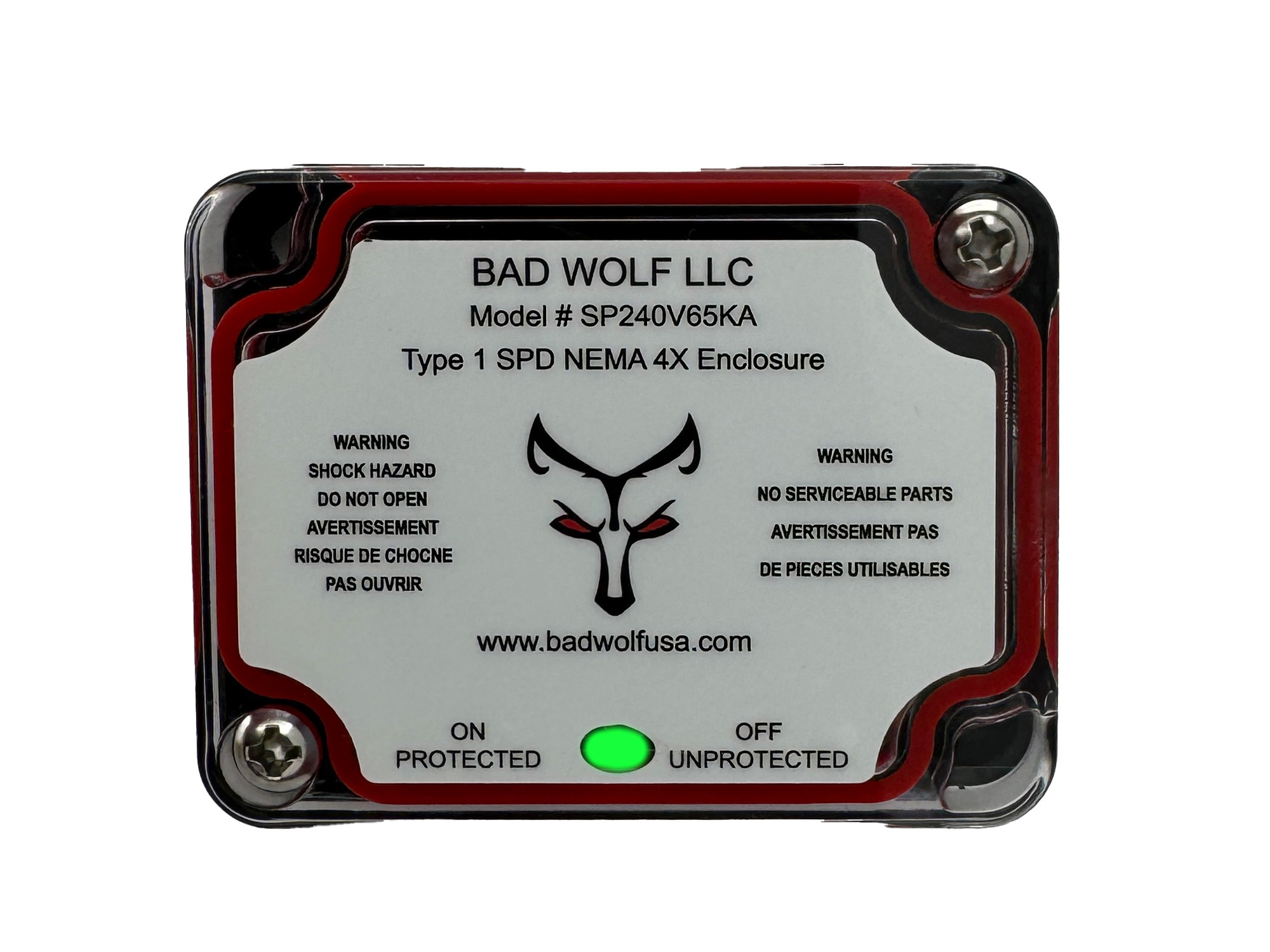
240VAC Single Circuit Protection
65kA 4-Wire Type 1 Outdoor Surge Protector
Briefly describe what this product protects, where it installs, and why it fits this group.
Low-Voltage & Control Protection
These products help protect thermostat wiring, control circuits, signaling paths, and other sensitive low-voltage HVAC electronics.
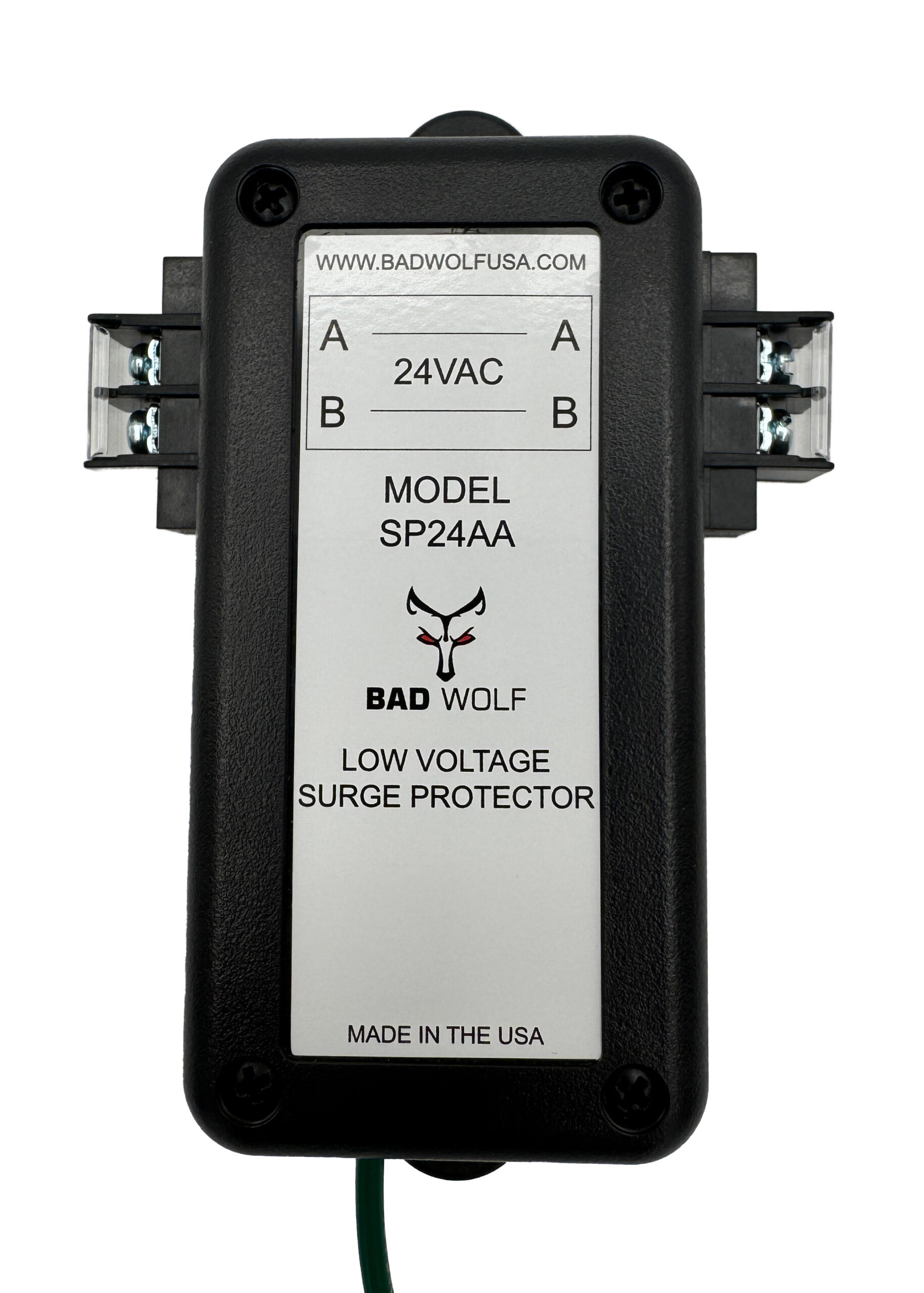
24VAC Control Protection
Single Pair Low Voltage Surge Protector
Briefly describe what this product protects, where it installs, and why it fits this group.

24VAC Control Protection
Two Pair Low Voltage Surge Protector
Briefly describe what this product protects, where it installs, and why it fits this group.
Need help choosing the right HVAC surge protection? Compare the installation point, system voltage, and the type of electronics you want to protect.
COMMON HVAC SURGE SOURCES
Where HVAC Surge Events Can Come From
HVAC systems can be exposed to more than one type of surge event. External sources such as lightning and utility activity can affect equipment, while internal system switching can also create electrical stress over time.
Lightning-Related Surges
Utility Switching & Power Events
Internal Equipment Switching
Because HVAC systems can be exposed to multiple surge sources, many installations benefit from protection at more than one point.
HVAC SURGE PROTECTOR FAQ
Frequently Asked Questions About HVAC Surge Protection
Find answers to common questions about protecting HVAC equipment, control circuits, and related electronics from damaging surge events.
Do HVAC systems need surge protection?
HVAC systems often include sensitive electronics, control boards, relays, sensors, motors, and communication components that can be vulnerable to damaging voltage spikes. Surge protection can help reduce the risk of failures caused by lightning-related surges, utility switching events, and other transient overvoltage conditions.
Will a whole-system surge protector help protect my HVAC equipment?
A whole-system or service-panel surge protector can help reduce surge energy entering the building’s electrical system, which may help protect connected HVAC equipment along with other electronics and appliances. In some applications, additional equipment-level or low-voltage protection may also be beneficial.
What parts of an HVAC system are most vulnerable to surges?
Control boards, thermostats, sensors, communication electronics, variable-speed drives, outdoor condensers, and other connected components can all be affected by damaging voltage spikes. Systems that combine electronics, motors, and outdoor exposure can be especially vulnerable.
Can surge protection help with lightning-related damage?
Surge protection can help reduce damage from transient voltage events associated with nearby lightning and other sources of electrical surges. However, no surge protective device can guarantee absolute protection against every possible electrical event.
Do thermostats and low-voltage HVAC controls need protection too?
Yes, low-voltage HVAC controls such as thermostat wiring, signaling paths, and 24VAC control circuits can also be vulnerable to surge energy. In some systems, protecting only the main power side may not fully address the sensitivity of control electronics.
Is one surge protector enough for an HVAC system?
That depends on the installation and the level of protection you want. In many cases, layered protection is a strong approach, such as combining service-panel surge protection with additional equipment-level or low-voltage protection for sensitive HVAC components.
How do I choose the right HVAC surge protector?
Start by identifying what part of the HVAC system you want to protect, such as the full electrical system, a specific HVAC unit, or low-voltage control wiring. Then compare the installation point, circuit type, and the sensitivity of the connected electronics.
Are HVAC surge protectors only for residential systems?
No. HVAC surge protection can be used in both residential and commercial applications, depending on the equipment type, electrical system, and protection needs of the installation.
Still not sure which option fits your HVAC system? Compare installation point, voltage, and equipment type—or contact us for help choosing.
READY TO PROTECT YOUR HVAC SYSTEM?
Find the Right HVAC Surge Protection for Your Application
Explore surge protection for condensers, air handlers, thermostats, control circuits, and full electrical systems. Choose the solution that best fits your HVAC installation and protection goals.
Solutions for residential and commercial HVAC surge protection.