
If you’ve ever tried to run a camper/RV, a surge protector, or an EV charger from a portable generator and got an “open ground” or “open neutral” message (or the device just refuses to work), you’ve run into a common generator quirk: floating neutral power.
A generator bonding plug is a simple plug-in accessory that can fix those compatibility problems in the right portable setups by creating a neutral-to-ground bond at the generator outlet. Bad Wolf’s bonding plugs are made specifically for this scenario—especially popular with DIY homeowners using Honda-style inverter generators and battery “solar generators”/power stations like EcoFlow, and those charging EVs (often Tesla) from a generator.
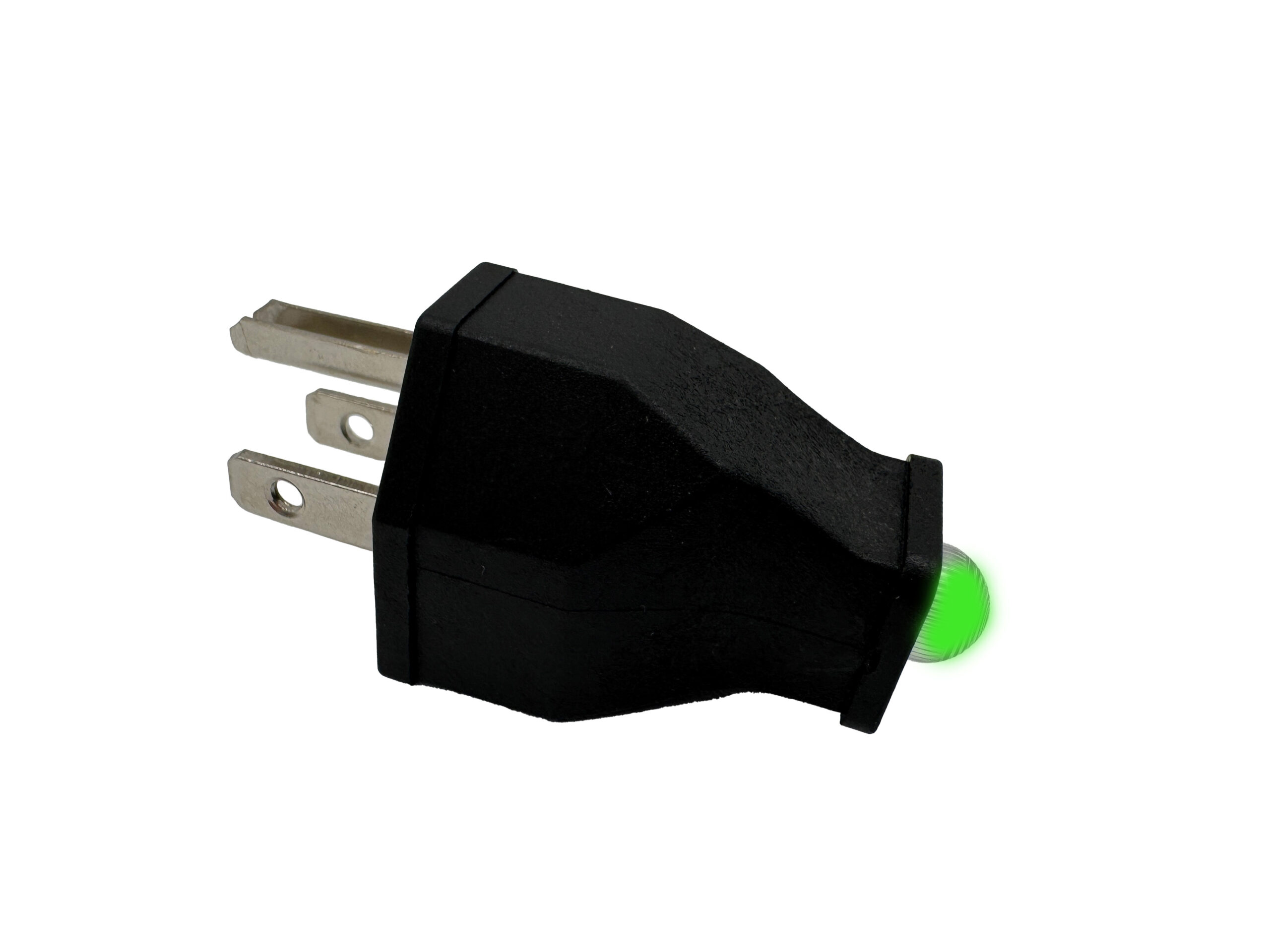
What a generator bonding plug does
Many portable generators (especially inverter-style units) are built with a floating neutral, meaning neutral is not bonded to the generator frame/ground. That can confuse devices that expect household-style power and will trigger faults like “open ground/open neutral,” or prevent operation entirely.
A bonding plug creates a neutral-to-ground bond inside the generator receptacle, which can make your portable setup behave more like a standard household electrical system for equipment that needs that reference.

How it works (plain-English version)
-
Neutral is the normal return path for electricity.
-
Ground is the safety path tied to metal frames/housings.
Some devices perform “ground assurance” checks—if they don’t see the grounding conditions they expect, they lock out for safety. (Tesla, for example, documents that its Wall Connector checks for a safe ground connection and will lock out if it detects high impedance.)
A bonding plug provides the neutral/ground relationship some EVSEs, RV electrical management systems, and surge protectors are looking for.

Common DIY use cases
1) Camper / RV setups
RV surge protectors and power monitors are known to report “OPEN GROUND,” “OPEN NEUTRAL,” or “E2” faults when connected to an unbonded (floating neutral) generator—preventing your RV from getting power. Bonding plugs are a common fix for that specific issue.
2) Charging an EV (often Tesla) from a generator
Many EV chargers (EVSE) do safety checks before energizing. If the charger doesn’t like what it sees, it won’t charge. Tesla’s own documentation describes ground assurance behavior (continuous checks and lockout on unsafe ground conditions).
In generator situations where the EVSE is rejecting floating-neutral power, a bonding plug can be the missing piece—as long as the generator setup is the correct kind (portable cord-and-plug use, not tied into a home).
3) Battery inverter “generators” / power stations (e.g., EcoFlow-style)
These inverter systems can behave similarly to floating-neutral generators. Bad Wolf specifically notes BP15A/B work with solar generators and inverters as well.
Benefits (when used correctly)
A bonding plug can help you:
-
Clear floating-neutral error codes like “open ground” / “open neutral” on compatible devices
-
Improve compatibility with EV chargers, surge protectors, RV electrical management systems, and some electronics
-
Get a quick “is it powered?” visual with a built-in status light (on BP15A/B)
Safety cautions (this part matters)
Generator bonding is one of those topics where “almost right” can become unsafe. A bonding plug is intended for specific portable use cases, not every setup.
✅ For generator use only
Bad Wolf’s own safety guidance is clear: never plug a bonding plug into a standard household electrical system.
✅ Don’t bypass the grounding pin
Do not defeat/remove the ground pin—maintain proper grounding practices.
✅ Only use when appropriate for your generator/inverter
Only use on generators/inverters that do not already have a grounded (bonded) system, because improper use can create a shock hazard.
⚠️ If your generator connects to a home: don’t use a bonding plug
If you power your home through an inlet/transfer switch/interlock, bonding rules change. It’s widely explained that neutral-to-ground bonding should occur at one point in a system, and the “right” generator configuration depends on whether you’re running portable loads or connecting to premise wiring.
If you’re tying into a home system, follow your transfer equipment instructions and consult a qualified electrician.
Quick DIY check: is your generator floating neutral?
If you want a simple starting point:
-
Check your generator manual/specs (best).
-
Some guides also describe using a meter to check whether neutral is bonded to frame/ground as a way to identify floating vs bonded neutral.
If you’re unsure, stop there and verify—don’t guess.
Why Bad Wolf BP15A and BP15B
Bad Wolf makes two bonding plug options designed for portable generators and inverters:
BP15A: Bonding plug + indicator light
-
Simple plug-in use
-
Green indicator light shows power and proper operation
-
Designed for floating-neutral generators/inverters
-
Helps prevent “open ground” and “open neutral” error codes
-
NEMA 5-15P style connector
-
Works with solar generators and inverters
BP15B: Everything in BP15A plus surge protection
BP15B includes the same bonding + indicator light features, and adds built-in TMOV surge protection.
What makes BP15A/B “better built” than typical bonding plugs
A lot of bonding plugs on the market are essentially the simplest possible internal jumper. Bad Wolf positions BP15A/B as higher-quality, purpose-built products—made in the USA (shown on the product pages) and designed for reliable portable use.
And as you requested for your marketing message: you can state that BP15A and BP15B are manufactured in the USA and use solid-state electronics built on a PCB, which helps support build consistency compared with “quick-jumper” styles.
Which one should I choose?
-
Choose BP15A if you mainly need to clear floating-neutral faults for RV/camper use or EVSE compatibility and want the indicator light.
-
Choose BP15B if you want the same bonding/indicator features plus added surge protection—especially useful when powering sensitive electronics or charging equipment.
Final reminder
Bonding plugs can be incredibly helpful for DIY homeowners running portable, cord-and-plug setups—campers, power stations, inverter generators, and EV charging—when floating neutral is the root cause. But they’re not for every configuration, and they should never be used on household outlets or home-wiring connections.